The main job of a solar inverter is to change the direct current (DC) generated by solar panels into alternating current (AC), which is what household appliances use. Every bit of electricity produced by the solar panels must go through the inverter before it can be used.
There are two main types of solar inverters based on their use: grid-tie inverters and off-grid inverters. But what exactly is the difference between these two? This article will help you dive deep into the details of the differences between off-grid and grid-tie inverters.
Basics About Off-Grid Solar Systems & Off-Grid Inverters
As the name suggests, off-grid solar systems operate independently from traditional power grids. These systems are designed to provide reliable energy in areas where access to the grid is limited or for users who seek greater self-sufficiency. The core components of an off-grid solar system include solar panels, battery banks, a Battery Management System (BMS), and an inverter.
1. Solar panels capture sunlight and convert it into electricity.
2. The electricity is then stored in batteries for use during periods of low sunlight or at night.
3. The charge controller plays a crucial role in managing the charging and discharging of the batteries, ensuring they operate safely and efficiently.
4. Meanwhile, the inverter converts the stored DC (direct current) electricity in the batteries into AC (alternating current), which is usable by household or commercial appliances.
Off-grid systems are especially well-suited for remote locations or users who prefer to rely on an independent energy supply rather than the traditional grid.
Advantages of Off-Grid Solar Systems
l High Reliability
Off-grid solar power systems are self-sufficient and do not depend on the national grid. This means they can continue to meet your energy needs even when the national power network is down.
l Great Flexibility
These systems can be customized to meet individual requirements. Users can adjust the number of solar panels and battery capacity according to their energy consumption and device needs.
l Enhanced Safety
Since off-grid systems are not connected to the national power grid, they avoid the potential risks of electric shock associated with grid-tied solar systems, offering a higher level of safety andprotection in isolated environments.
Disadvantages of Off-Grid Solar Systems
l High Initial Investment
Compared to grid-tied solar systems, off-grid systems require a higher upfront investment. The need to purchase additional solar panels, batteries, and inverters adds to the overall cost.
l Maintenance Costs
Components like batteries require regular maintenance and replacement, which can increase the long-term costs of the system.
l Challenges in Extreme Conditions
In extreme situations, such as prolonged bad weather or battery failure, off-grid systems might struggle to meet energy demands. Users should plan for backup power sources or other emergency measures to address such scenarios.
Basics About Grid-Tied Systems and Inverters
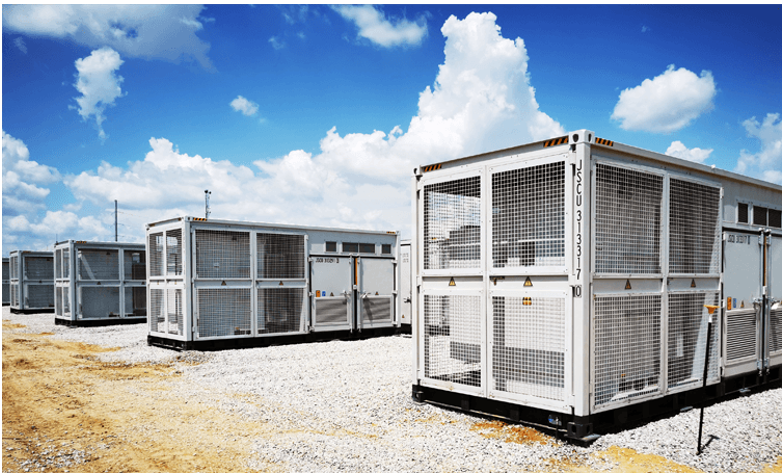
A grid-tied solar system, also known as an on-grid system, is a type of solar power system that operates in conjunction with the traditional power grid. Unlike off-grid systems, grid-tied systems allow for a seamless integration between solar power and grid electricity.
This allows the electricity generated by your solar panels to power your appliances, while any excess energy can either be stored in battery banks or, depending on regional policies, sold back to the grid for others to use.
Conversely, when your solar panels produce insufficient power, such as on cloudy days, the grid can supply the necessary electricity to meet your needs.
Advantages of Grid-Tied Solar Systems
l Cost-Effective (depends on regional policies)
By feeding excess power back into the grid, the grid acts as a virtual storage system, eliminating the need for expensive battery storage. This can reduce the initial investment costs by 35% to 45% compared to standalone solar PV systems.
l Distributed Power Generation
Grid-tied systems can be deployed close to where the power is needed, allowing for flexible integration and disconnection from the grid. This distributed approach enhances the power system’s resilience against disasters and wars, improves load balancing, and reduces transmission losses.
l Peak Shaving Capabilities
Grid-tied solar systems help manage peak power demands, a feature that has become a focal point in the photovoltaic sector across developed countries. With a vast market potential and promising future, these systems are at the forefront of the global solar power industry.
Disadvantages of Grid-Tied Solar Systems
l Intermittent and Variable Output
Solar power generation depends on weather conditions. It produces little electricity during the night or on cloudy and rainy days, leading to intermittent power supply issues.
l Low Energy Density
The intensity of solar radiation received on the Earth's surface under standard conditions is about 1000W/m². Therefore, massive installations require a significant land area to capture enough sunlight for substantial power generation.
l High Initial Costs
Although the price of solar technology is decreasing, it is still relatively expensive compared to conventional power generation, with costs ranging from 3 to 15 times higher. The high upfront investment remains a barrier for many users.
The Difference Between Off-Grid & Grid Tied Inverters
After learning the difference between off-gird and grid-tied solar system, then the gap lied in the two types of inverters is clear.
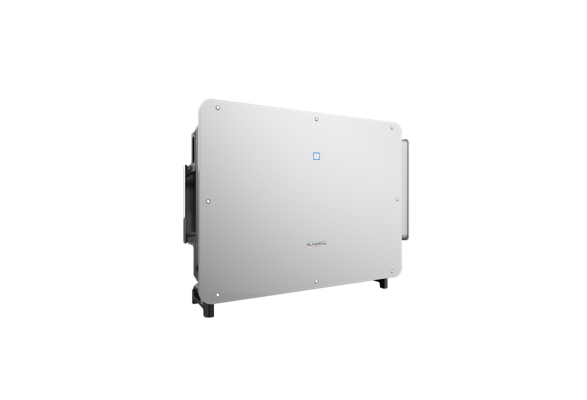
The biggest difference between the two systems is that grid-tied inverters do not include battery storage. The DC electricity generated by the solar panels is directly converted into AC power and fed into the public power grid.
However, there are certain requirements to meet. The grid-tie solar system must comply with local grid regulations and policies. Otherwise, it cannot be connected to the grid.
Conclusion
Sungrow is a global leader in the renewable energy industry,. recognized for its advanced inverter technology and strong commitment to innovation.
With over 27 years of experience, Sungrow has consistently delivered reliable and high-performance solar solutions that meet the diverse needs of our customers.
Get in touch with us, and together we can make renewable energy solutions smarter, easier to manage, and more cost-effective.